Tag: Charleston

  • Bats in Charleston Homes: Essential Information for Homeowners

    Bats in Charleston Homes: Essential Information for Homeowners

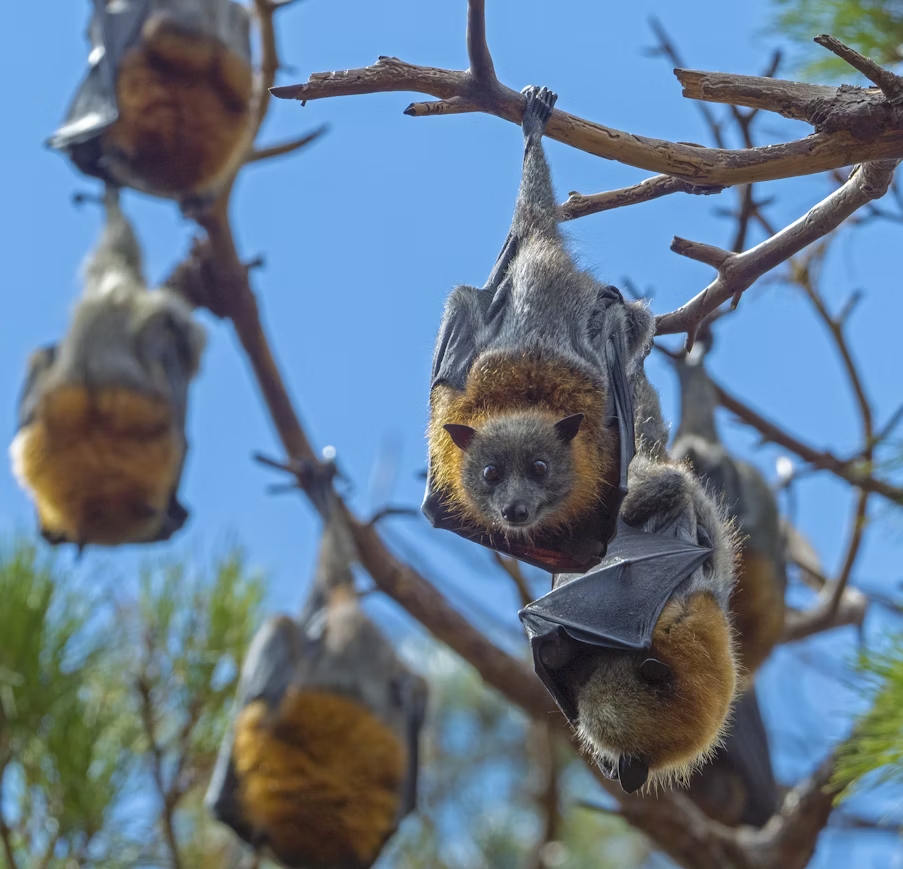
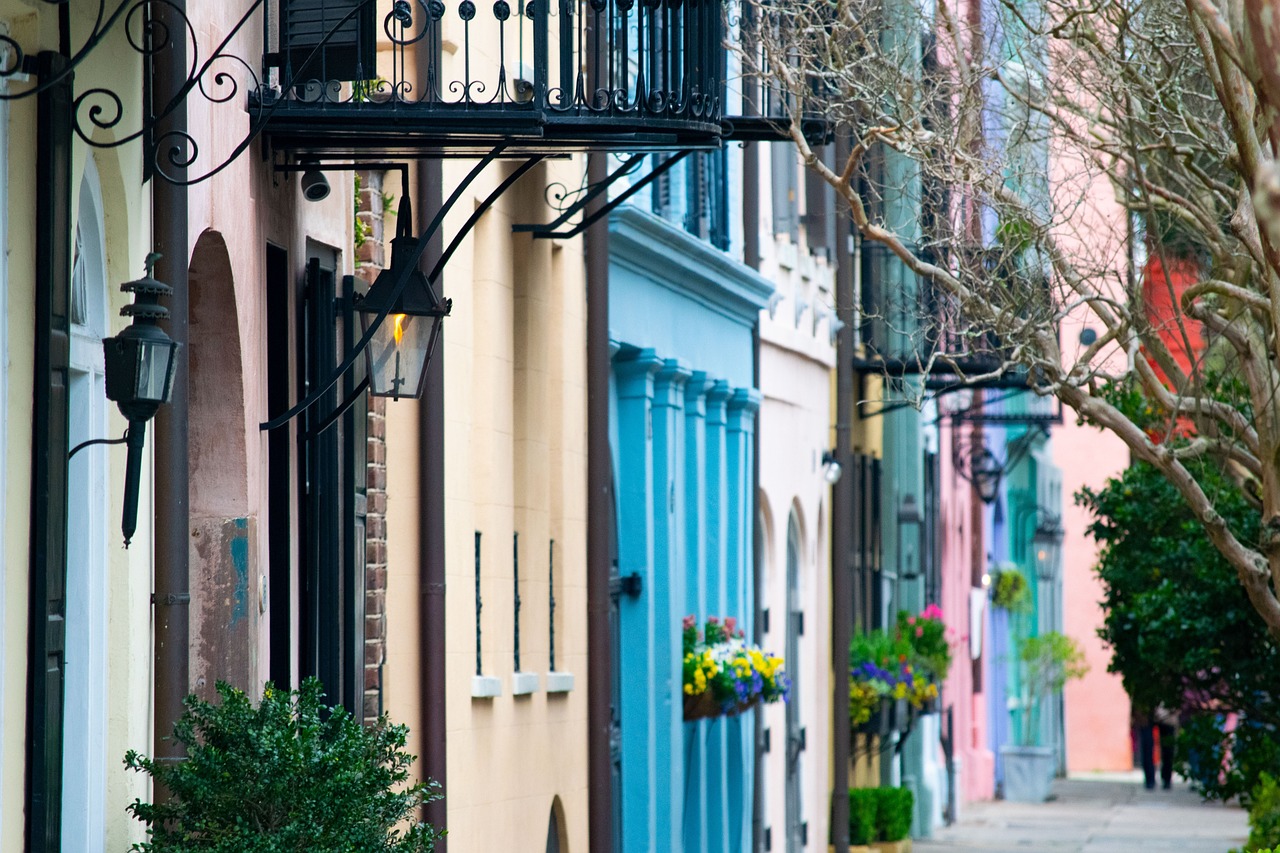
    Charleston’s charm is characterized by beautiful trees, historic homes, and marshy surroundings, all of which contribute to the unique allure of the Lowcountry. However, this natural beauty can sometimes attract unexpected guests… such as bats!

    While seeing a bat flying across the evening sky can be fascinating, encountering one inside your home is a different matter. As a Charleston real estate agent, I’ve witnessed how frequently homeowners, especially those in older properties or near wooded areas, have to deal with bats seeking shelter. Here’s what you need to know.

    Why Bats Choose Charleston Homes

    Charleston’s warm climate and historic architecture create ideal conditions for bats looking for roosting spots. They commonly enter homes through:

    • Gaps in rooflines or eaves
    • Loose attic vents or shutters
    • Chimneys that lack proper caps
    • Small openings around windows, trim, or siding

    Older homes, particularly those located downtown or near marshy areas, tend to be more susceptible to bat infestations due to their age and structure.

    Why You Should Avoid DIY Removal of Bats

    In South Carolina, bats are protected by law because they play a crucial role in controlling insect populations and pollinating plants. Attempting to remove bats yourself can be hazardous for both you and the animals. If you discover bats in your home:

    • Do not attempt to handle them, as even small bats may bite when frightened.
    • Avoid sealing entry points while bats are still inside; this could trap them and create more serious issues.
    • Contact a licensed wildlife control professional who specializes in humane removal and exclusion.

    Steps to Take After Removal

    Once a professional has safely removed the bats, it’s important to follow these steps:

    1. Seal all entry points. Have a contractor or roofer inspect your home for gaps around chimneys, vents, and fascia boards.
    2. Clean and sanitize any areas (especially attics) where bats roosted, as bat guano can be hazardous if left untreated.
    3. Implement preventive measures, such as installing chimney caps and screened attic vents.

    If you’re selling your home, ensure you disclose any previous wildlife infestations and provide documentation showing that the issue was professionally resolved.

    Keeping It in Perspective

    Having bats nearby is not necessarily a bad thing! They consume thousands of mosquitoes each night, helping to maintain the health of Charleston’s ecosystem. The key is ensuring they remain outside where they belong.

    If you’re considering buying or selling a home in Charleston, particularly in historic districts or rural areas, it’s advisable to include a wildlife inspection as part of your due diligence.

    Final Thoughts

    Living in Charleston means being close to nature, and occasionally, nature may come a little too close. The good news is that with the right preventive measures and professional assistance, a bat encounter doesn’t have to turn into a nightmare.

    If you’re thinking about buying or selling a Lowcountry home, I can connect you with trusted inspectors, contractors, and local resources to ensure your home stays safe, sound, and bat-free.
  • Experience Charleston This Fall: Moja Arts Festival, Boone Hall Plantation & Romantic Harbor Cruises

    Experience Charleston This Fall: Moja Arts Festival, Boone Hall Plantation & Romantic Harbor Cruises

    Charleston is a city that offers a unique blend of culture, history, and romance. Fall, in particular, is a season that brings out the best of these elements. Whether you’re a local, a potential resident, or a visitor, the Lowcountry has something special for you. As a Charleston real estate agent, I don’t just sell homes, I sell the Charleston experience. Here are three unique cultural experiences that you should not miss this season.

    Celebrate Culture at the Moja Arts Festival

    Every fall, Charleston comes alive with the Moja Arts Festival, a celebration of African-American and Caribbean culture. From vibrant art exhibits and live music to spoken word performances and street celebrations, this event is a must for anyone who loves the arts.

    The festival’s name, Moja, means “one” in Swahili, representing unity and the bond between cultures. For newcomers, it’s an incredible way to experience Charleston’s diverse heritage and connect with the community. Many of my clients who move here are amazed by how much the city values its cultural roots, and Moja is the perfect example of that spirit.

    Step Back in Time at Boone Hall Plantation

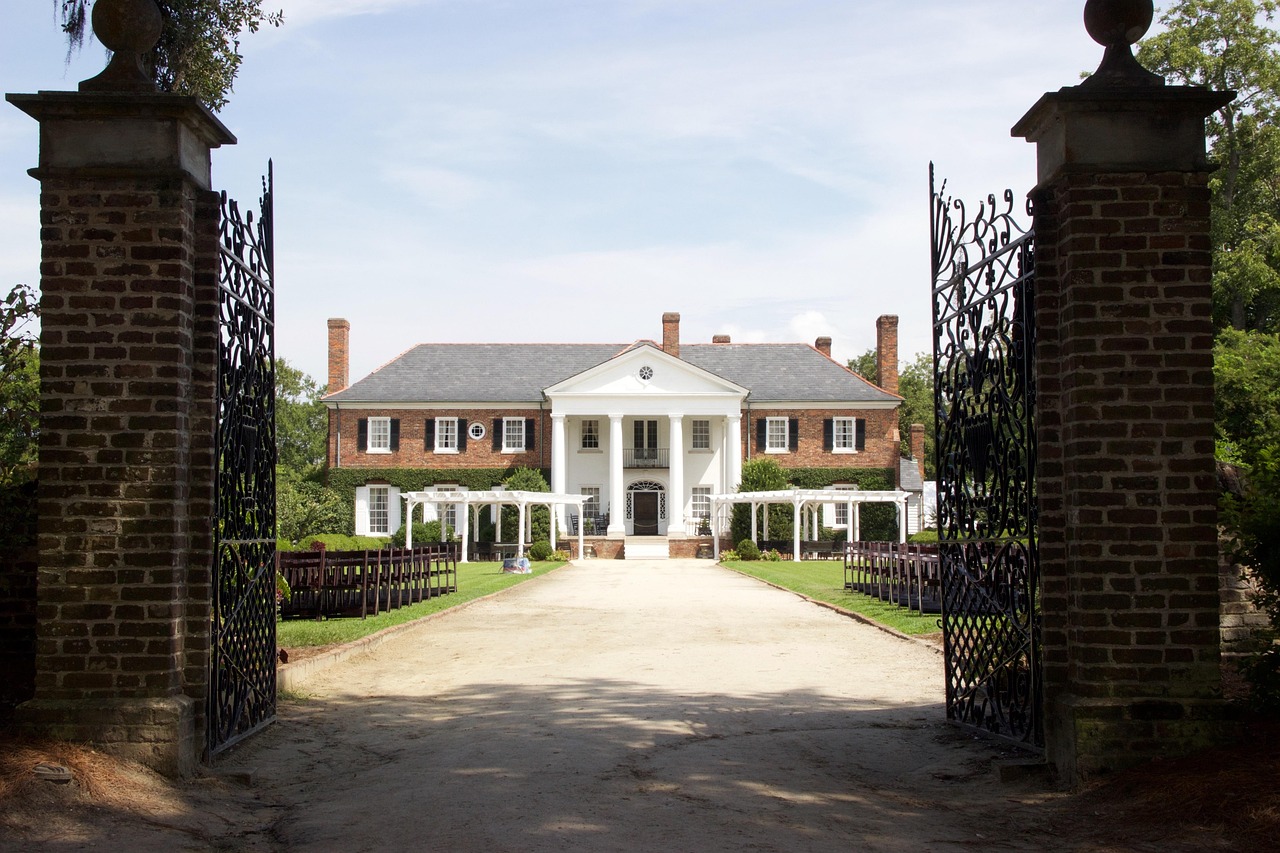
    Boone Hall Plantation, dating back to 1681, is a living testament to Charleston’s rich history. The iconic Avenue of Oaks, often seen in photos of Charleston, is a part of this historic site. It’s one of America’s oldest working plantations, offering guided tours of the house, stunning gardens, and educational exhibits.

    Walking under the oak-lined driveway feels like stepping back in time. Boone Hall is also renowned for its seasonal events, including pumpkin patches and oyster roasts, family-friendly traditions that have brought locals together year after year. For new homeowners, places like Boone Hall showcase the charm and history that make Charleston such a special place to live.

    Romance on the Water: Charleston Harbor Cruises

    Few things are as romantic as a sunset boat cruise in Charleston Harbor. With the Ravenel Bridge glowing in the distance, dolphins playing in the water, and the city skyline bathed in golden light, a harbor cruise offers a perspective of Charleston you can’t get anywhere else.

    It’s a favorite for couples, but also an excellent way for newcomers to see how the waterways shape daily life here. From casual evening sails to private luxury charters, there are endless ways to enjoy the harbor. Many of my clients tell me this experience is what made them fall in love with Charleston and ultimately decide to make it home.

    Why This Matters for You

    Charleston isn’t just a place to live; it’s a way of life. Festivals like Moja, landmarks like Boone Hall, and everyday joys like harbor sunsets are what make our city so magnetic. When considering where to buy your next home, it’s more than just square footage. It’s about finding a community and a way of life that resonates with you.

    As your local Charleston real estate agent, I’m not just here to help you find the right home. I’m here to guide you through the experiences that make living in Charleston truly unforgettable. I’d be delighted to be a part of your journey to this vibrant city.

    And if you’re thinking of moving to Charleston? Let’s connect, I’ll show you the neighborhoods, the homes, and yes, even where to catch the best sunset on the harbor. Don’t hesitate to reach out and start your Charleston journey today.

  • Moving to Charleston

    Moving to Charleston

    The climate of the Charleston Metro region is “temperate to subtropical.” With an average of 63% days of sunshine and on average growing season of 294 days every year, the Charleston area offers an outstanding climate that allows year-round enjoyment.

    Charleston County School District
    Berkeley County School District
    Dorchester County School District 2
    Dorchester County SC Utilities

    To turn on your residential local electric and/or gas, contact SCE&G or Berkeley Electric Co-op. SCE&G requires a deposit unless (1) you bring a letter showing one year of credit history from your previous electric company or (2) active duty air force initiate service from on base SCE&G office. Berkeley Electric Co-op requires a deposit unless you bring a letter showing two years of credit history from your previous electric company.